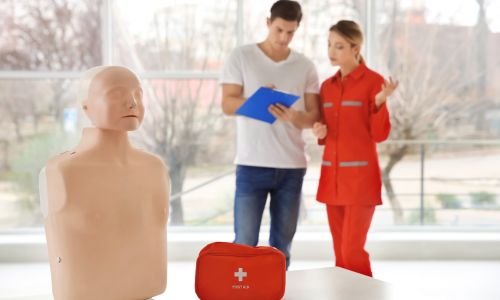
Choosing the right CPR certification is an important step, whether you’re a healthcare worker, a teacher, a parent, or someone who simply wants to be prepared in an emergency. At Bayside CPR, we often get asked which is better: online CPR certifica...
Read More ›
When someone suddenly collapses, stops breathing, or their heart stops beating, the first few minutes are critical. In those moments, knowing how to respond can save a life. Two common terms often come up in these situations—CPR and BLS. At first g...
Read More ›
ROSC (return of spontaneous circulation) is a crucial medical term in the world of CPR (cardiopulmonary resuscitation) and cardiac emergencies. In both out-of-hospital cardiac arrest (OHCA) and in-hospital cardiac arrest (IHCA). It refers to the mome...
Read More ›
Cardiac arrest occurs when the heart suddenly stops pumping blood effectively, and quick action is crucial to saving lives. The reversible causes of cardiopulmonary arrest include hypoxia and hypovolemia. Traditionally, CPR is used to manually pump b...
Read More ›
High-quality chest compressions are a critical component of CPR, ensuring that oxygen continues to flow to vital organs. To aid rescuers in delivering optimal compressions, chest compression feedback devices have been developed. These valuable tools ...
Read More ›
CPR, or cardiopulmonary resuscitation, is a life-saving technique that helps keep blood and oxygen flowing through the body when someone’s heart stops beating. It incorporates chest compressions with rescue breaths to support circulation and oxygen...
Read More ›