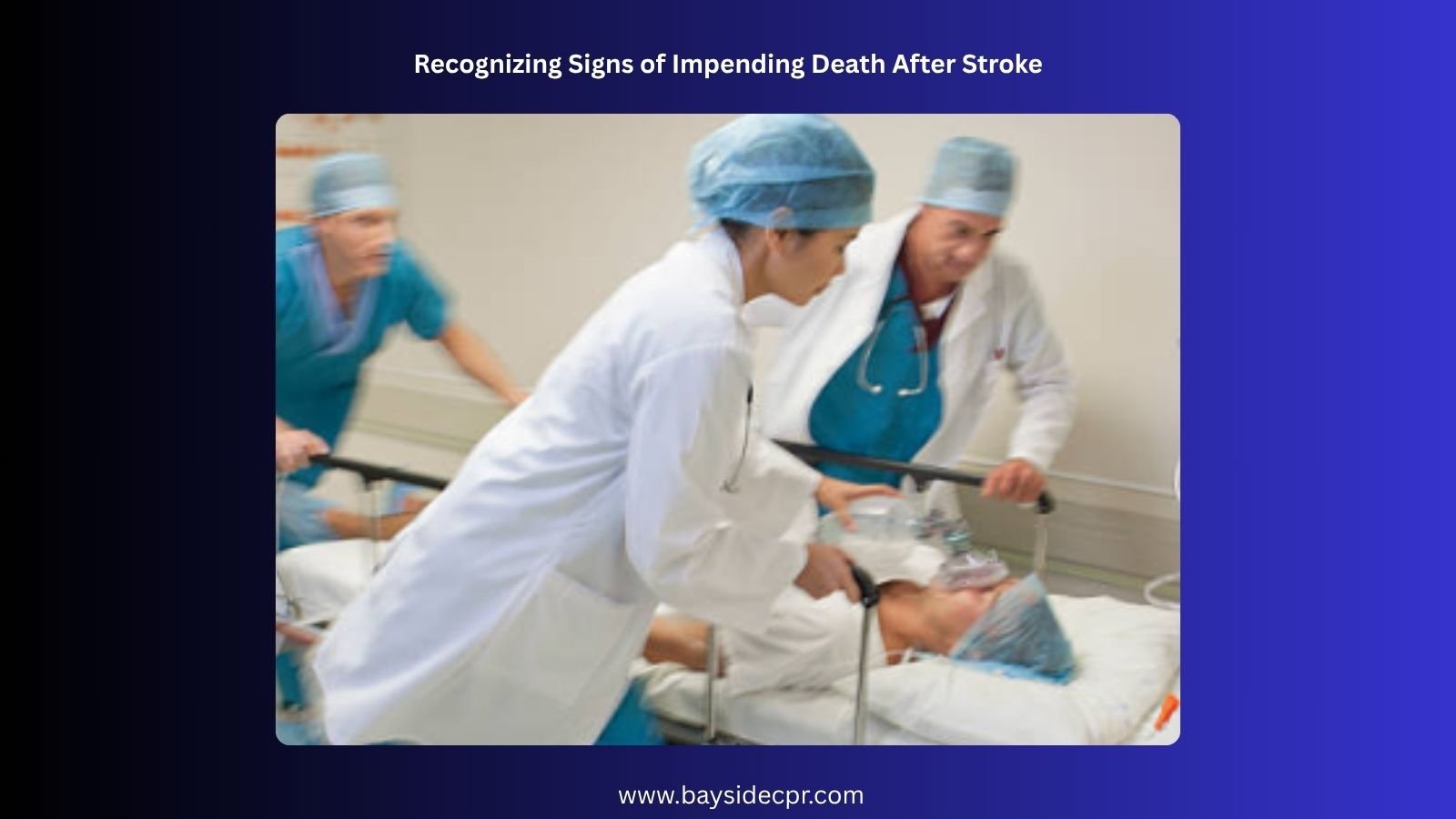
Imagine sitting by a loved one’s side, watching them suddenly fade into a deeper, more silent pause. It’s a moment filled with both hope and fear, wondering if this is the beginning of the end or just a temporary pause. Recognizing the signs that...
Read More ›
You’re at a family gathering, and your young nephew suddenly chokes and goes limp in your arms. His heart is still beating, but he’s not breathing. In that moment, mouth-to-mouth rescue breaths (traditional CPR) can mean the difference between li...
Read More ›
When someone is unresponsive, quickly checking their pulse is an essential step in deciding whether they need immediate life-saving treatment. Pulse checks help rescuers determine if the victim’s heart is still beating and blood is circulating,...
Read More ›
Rescuers typically pause chest compressions during high-quality CPR only when necessary to maximize the chances of survival. These brief pauses happen for specific reasons, like giving rescue breaths if using a ventilation method, analyzing the heart...
Read More ›
When there’s a sudden cardiac emergency, every second counts, and maintaining effective chest compressions can significantly improve the chances of survival. Using an automated external defibrillator (AED) becomes a crucial part of the rescue effor...
Read More ›
Every second counts during CPR, and knowing how to deliver effective breaths can make all the difference. Whether you’re a trained professional or a first responder on the scene, your technique matters, and so does your position. CPR isn’t ju...
Read More ›